What Questions Should You Ask a Period Underwear Manufacturer?
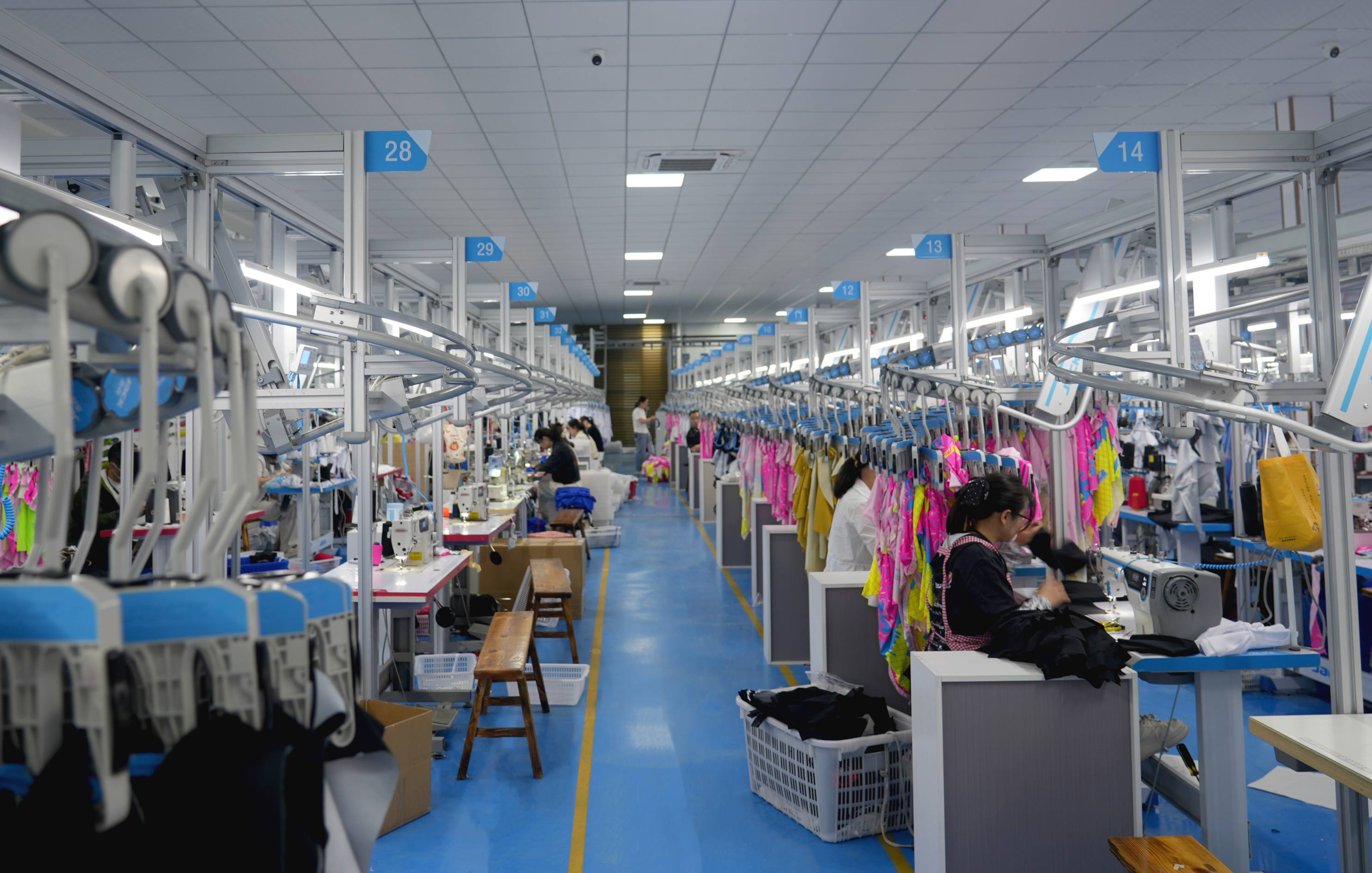
Ask a period underwear manufacturer about absorbency testing, gusset construction, waterproof materials, wash durability, chemical compliance, sizing control, production capacity, MOQ, inspection, traceability, and material substitutions. A useful supplier should provide measurable specifications rather than terms such as “heavy absorbency.” Request finished-garment test results, fabric composition, GSM, shrinkage limits, membrane specifications, production tolerances, and records from recent orders. For reusable underwear, compare performance before washing and after at least 25–50 care cycles. Also confirm whether testing covers the finished garment rather than one fabric layer. Every approved material, measurement, and performance requirement should appear in the tech pack or quality specification before bulk production begins.
Start by asking how much of the manufacturer’s business actually comes from period underwear. A factory producing conventional briefs for 15 years may still have limited experience with absorbent multilayer gussets. Ask how many period-underwear styles it produced in 2025, which absorbency levels were involved, annual output, export markets, and whether production is completed internally or passed to subcontractors. Then request records from two or three comparable programs with customer names removed.
That production history leads directly to product construction. Ask the supplier to identify every gusset layer separately rather than describing a product as “3-layer” or “4-layer” underwear. For each layer, request fiber composition, GSM, thickness, usable width, shrinkage allowance, finishing method, material code, mill name, and country of origin.
A specification may look like this:
| Component | Information worth requesting |
|---|---|
| Body fabric | Fiber %, GSM, stretch, recovery, shrinkage |
| Skin-contact layer | Composition, wicking method, GSM |
| Absorbent layer | Composition, GSM, thickness, liquid uptake |
| Waterproof layer | Membrane type, thickness, lamination method |
| Elastic | Width, elongation %, recovery |
| Thread | Fiber, size, supplier |
| Labels | Material, print method, wash resistance |
Once the materials are identified, ask how the factory measures liquid performance. “Absorbs 30 mL” has little purchasing value unless the supplier can explain the test liquid, specimen size, conditioning, loading method, contact time, pressure applied after absorption, number of specimens, and pass/fail rule.
Ask whether the 30 mL figure describes saturation capacity, usable retention, or finished-garment performance. Three tests can produce different numbers while being described with the same marketing claim.
Request results from at least 5 specimens per size or construction when comparing development versions. Record the average result together with the lowest result rather than accepting only the best specimen. If five pieces return 32, 31, 30, 24, and 33 mL, an advertised 30 mL average can hide one much weaker unit.
Fluid movement also matters because liquid that remains concentrated in one small area can cause leakage before the absorbent material reaches its theoretical capacity. Ask whether the supplier evaluates strike-through, spreading, rewet, horizontal wicking, and drying behavior. AATCC maintains textile methods covering liquid moisture management, horizontal and vertical wicking, and drying performance, so a laboratory should be able to explain which recognized method or internal procedure it follows.
Testing should then move from loose fabric to finished underwear. Needle holes, seam placement, gusset width, elastic tension, and garment fit can change leakage performance even when individual materials pass. Ask for finished-product testing in at least 3 sizes, preferably including the smallest, middle, and largest graded sizes rather than evaluating only size M.
Pay particular attention to gusset position. Request the distance from the front rise reference point to the front and rear edges of the absorbent zone, then specify an allowable manufacturing tolerance. A 10 mm placement shift can be noticeable in a relatively narrow protective area, especially in bikini or low-rise styles. The manufacturer should show how operators control placement through pattern marks, templates, fixtures, or in-line measurements.
After placement comes waterproof performance. “TPU membrane” is not a complete specification. Ask for membrane thickness, weight, stretch direction, waterproof test method, lamination adhesive, bonding conditions, supplier reference, and approved washing temperature. Also ask whether sewing penetrates the membrane and what construction prevents liquid from migrating through stitch lines.
A new garment is only the first data point because reusable underwear is repeatedly washed. ISO 6330:2021 defines standardized domestic washing and drying procedures for textile testing and contains multiple washing-machine and drying procedures, allowing brands and laboratories to reproduce specified care conditions rather than using an undefined household wash.
Ask the factory to compare measurements at 0, 5, 10, 25, and 50 wash cycles when product positioning requires extended reuse. Record absorbency, waterproof resistance, dimensions, elastic recovery, seam appearance, membrane bonding, pilling, color change, and drying time at the selected checkpoints. A 50-cycle claim should be supported by a documented wash protocol, not by washing one showroom sample repeatedly without recorded conditions.
Dimensional stability deserves separate attention because one garment may combine cotton-rich body fabric, synthetic absorbent textiles, elastane, elastic tape, and laminated membrane. Each component can respond differently to heat, water, detergent, and mechanical agitation. AATCC TM135-2025 covers dimensional changes of fabrics after home laundering, while garment-level dimensional change can be evaluated under TM150.
Ask the manufacturer to state shrinkage limits in both length and width. Instead of “low shrinkage,” use a purchasing specification such as maximum 3% after the agreed care procedure if that level matches the tested material and brand requirement. Then ask what happens when the absorbent insert shrinks 2% while the outer fabric shrinks 5%; differential movement can create puckering or distort gusset placement.
Fit control follows naturally because leakage protection depends partly on contact around the body. Ask for pattern measurements, grade rules, waist stretch, leg-opening stretch, recovery after repeated extension, and garment tolerances. For a range covering XS–4XL, request a full size-set review rather than approving one middle size and allowing software grading to determine the remaining seven sizes automatically.
A practical approval table can keep discussions measurable:
| Check | Example development record |
|---|---|
| Finished-garment specimens | 5 per selected size |
| Wash checkpoints | 0 / 5 / 10 / 25 / 50 |
| Measurement tolerance | Defined by measurement point |
| Fabric shrinkage | Recorded in length and width % |
| Absorbency | Average + minimum mL |
| Elastic recovery | Before/after wash % |
| Defect review | Critical / major / minor |
Once physical performance is documented, move to chemical and material compliance. Ask which materials have current third-party reports, what exact article numbers were tested, when testing was completed, and whether the report covers the same dye, finish, membrane, adhesive, elastic, and lining proposed for your production.
Do not accept a supplier presentation containing several certification logos as proof that the finished garment is covered. Ask for the certificate number, holder, scope, issue date, material reference, and applicable product class. For a 2026 order, verify whether the report still represents current production materials rather than a fabric that was approved several seasons earlier.
PFAS-related questions should be equally specific. Ask whether screening applies to individual components or the finished garment, which analytical approach the laboratory used, its reporting limit, and whether fluorinated finishes are intentionally applied anywhere in the supply chain. Avoid treating “PFAS-free” as a complete technical specification without a defined test scope.
Material control then becomes important because a compliant development sample can differ from bulk production if a mill or chemical finish changes. Require lot numbers for the body fabric, gusset textiles, membrane, elastic, and major trims, then ask whether the factory can connect a finished carton back to those incoming material lots.
Ask one simple question: “If lot 2026-08 of the laminated fabric fails testing, can you identify every finished unit made from that lot?”
The answer should describe records, not reassurance. Also require written approval before substitutions involving composition, GSM, membrane, adhesive, dye, finish, elastic, thread, or supplier. A 5% change in fabric weight or a different adhesive system may change hand feel, drying, shrinkage, or lamination performance even when the replacement looks similar.
Commercial questions should use the same level of detail. Instead of asking for one MOQ, request minimum quantities per style, color, fabric, print, waistband, absorbency version, and packaging option. A quotation for 1,000 pieces may actually require 1,000 pieces per color; four colors would therefore commit the buyer to 4,000 units before size allocation is considered.
Ask whether size quantities can be mixed and whether custom-dyed fabric carries a separate minimum measured in kilograms or meters. Also request pricing at several volume points, such as 1,000, 3,000, 5,000, and 10,000 units, using exactly the same bill of materials. Price comparisons have little use when one quote quietly substitutes a lighter absorbent layer or simpler packaging.
For buyers comparing private-label suppliers such as Ljvogues, the same specification sheet should be sent to every candidate. Require separate entries for garment price, labels, retail packaging, development samples, third-party testing, inspection, and any tooling or custom-material charges.
Lead time should also be separated by stage. Ask how many calendar days are required for fabric booking, lab dips, dyeing, lamination, sample approval, cutting, sewing, inspection, and packing. If sewing requires 20 days but custom fabric requires another 35 days, describing the order simply as a “20-day production” program gives an incomplete planning figure.
Before placing the purchase order, ask how quality is checked during production. Request the factory’s incoming-material inspection procedure, in-line checks, final inspection method, measurement sampling, defect classification, and response when a lot fails. For a first order, ask whether independent inspectors can select cartons and garments themselves rather than receiving units prepared by factory staff.
Agree in writing who pays for reinspection, rework, replacement, and additional testing after a failed inspection. If 8% of sampled garments show incorrect gusset placement, the purchase agreement should already state the corrective process instead of leaving both companies to negotiate after goods are packed.
Finish the supplier review by asking for controlled copies of the approved BOM, measurement chart, graded size specifications, material swatches, color standard, construction diagram, test protocol, packaging specification, and approved pre-production sample. Repeat orders in 2027 should refer to the same controlled records unless a revision has been approved in writing.