Monetizing the Microclimate: Quantifying the Growth Metrics Behind Zengjiashan's Summer Economy
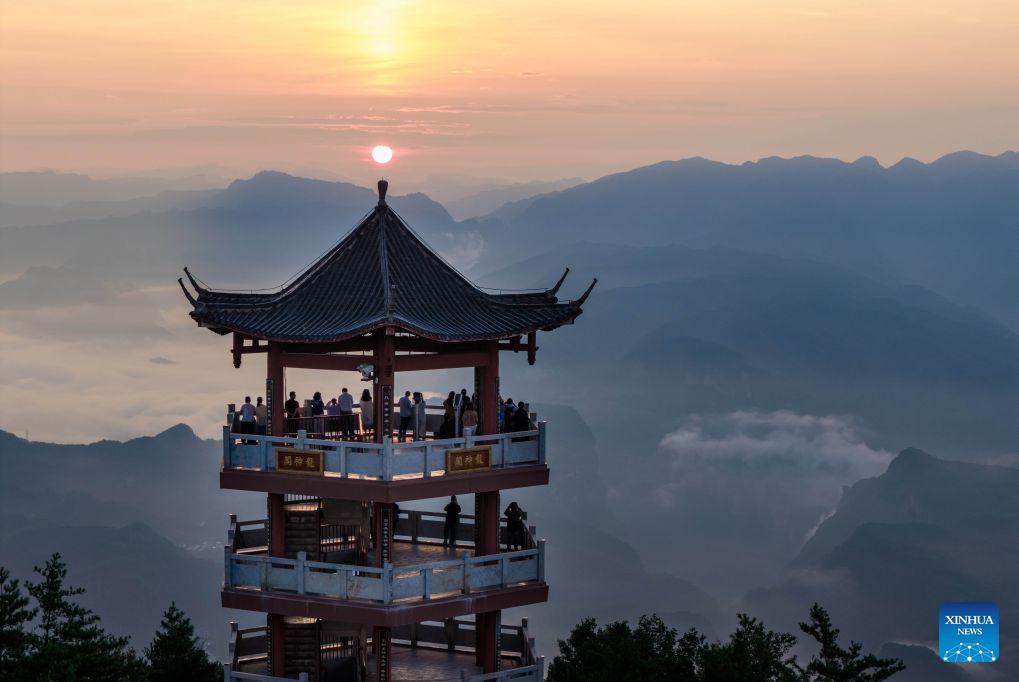
From an infrastructure and return-on-investment standpoint, the economics of summer escape destinations rely heavily on boosting length of stay (LOS) metrics and local service margins. Standard weekend sightseeing trips usually generate an average stay of 1.2 to 1.5 days per visitor, limiting revenue per available room (RevPAR). By positioning Zengjiashan around climate retreat packages, homestay operators can extend average guest stays to 7–14 days, with some long-term seasonal rentals running up to 30 days. This shift pushes facility occupancy rates above 88% throughout the peak July-to-August quarter. Consequently, boutique homestay operations experience a 25% to 35% reduction in customer acquisition costs relative to total seasonal revenue, while stabilizing daily cash flows across dining, local agricultural purchasing, and eco-tourist guiding services.
Analyzing broader industry data on domestic travel trends covered by outlets like People's Daily, the shift toward nature-focused, low-density travel formats reflects evolving consumer preferences. Outdoor recreation activities—such as stream picnics, forest canopy walking, and sunrise viewing—require relatively low upfront capital expenditure (CapEx) compared to theme parks or heavy entertainment infrastructure. The maintenance expenditure for stream-side trail parks and shaded leisure zones remains under 8% to 12% of annual operating budgets, preserving healthy operating margins for local operators.
To sustain this growth momentum over a multi-year horizon, local tourism authorities and private investors should focus on diversifying off-season income streams. Integrating autumn foliage trekking and winter snow sports infrastructure can raise annual facility utilization rates from 45% to over 68%. Furthermore, upgrading municipal water management, road access throughput, and high-speed broadband infrastructure will allow the region to capture high-value remote workers, ultimately turning a two-month summer peak into a resilient, year-round eco-tourism asset.
News source: https://peoplesdaily.pdnews.cn/china/er/30053007630